
Condensation on your windows? What does it mean?
Condensation is not an uncommon sight to spot on your windows and doors, and sometimes, a simple adjustment to your everyday living can reduce or eliminate it.
There are three types of condensation that can appear on your windows, which we will explain in detail throughout this post. While it is not as common to see condensation during these warmer months of the year, some of the causes of condensation apply all year around, and so, this can serve as a handy guide to assist you ahead of the Winter months to come later in the year.
Colour and Hardware Choices
Condensation on your windows is not uncommon, and is not always a bad thing. It can be categorised in three ways:
External pane condensation
Internal pane condensation
Condensation between panes
Internal pane condensation
Condensation doesn’t always point to a fault with your windows, and sometimes, small lifestyle changes can help greatly with it. If you find you have condensation on the inside of your windows, this can be caused by a number of factors such as; drying your washing, cooking in the kitchen, using the bath or shower and so on. In cases such as these, there is excess moisture in the room. Improving and increasing the air flow through the home can help tackle and remove this excess moisture.
Opening the windows and trickle vents (which we cover in greater detail here) is a simple, yet highly effective solution to tackle internal condensation. Homes need ventilation, and especially when you are drying your washing or showering, getting this moisture out of the home, is key, especially during the winter months. The extractor fans in your kitchen and bathrooms should also be turned on when either cooking or showering to further help with this.
New build homes are built to be more energy efficient now than ever before, and are designed to trap the heat inside the house. While this is good for efficiency and performance, it does mean that during the colder months, it is not uncommon to find condensation on the inside of your windows as the windows and glass are colder, and so the warmth of the room touching this colder surface, causes moisture to form.
Energy bills are a concern for many homeowners across the country, and so a solution of having your heating on more is not an option for everybody. So, there are other steps that can be taken to help tackle condensation during the warmer months. Investing in a dehumidifier is a fantastic way of clearing excess moisture in the air, and ensuring good air circulation and ventilation through trickle vents, extractor fans and occasionally opening your windows will also help to tackle this. This is also helpful during the Summer, where the UK especially, suffers from high humidity, combined with homes that are designed to trap heat, and don’t often have air conditioning.
When you do have condensation on the interior panes of your windows, wipe this away with a cloth to prevent water and moisture sitting on the window for too long, as this may cause damage, damp, or mould if left for too long. This should be done first thing in the morning when you wake up, as the condensation is likely to have formed overnight where daily temperatures are at their lowest, and so, is tackled at the first opportunity.
Exterior pane condensation
While it may not sound so, condensation on the exterior panes of your window is actually a good thing, and a sign that your windows are performing to a high standard. The temperature outside is cooler than the windows, yet not carrying through to the inside of the property, which is a key indication of a tight seal, and high performing double, or triple glazing.
Exterior condensation shows that the heat inside your home is not escaping and is a key indicator of how energy efficient your home is, and specifically, your windows and doors.
The material used for your windows is also a contributor to external pane condensation. Timber is a naturally insulating material, absorbing and holding the heat inside your home and not letting it escape. Timber, when compared to alternative materials such as aluminium and PVC, will always hold heat better and be a more energy efficient option for the home, in addition to being the traditional and most beautiful option available.
Condensation between panes
However, if you find condensation between the panes of a double or tripled glazed window, that cannot be wiped away with a cloth, this is unfortunately a sign that your window units are failing, and is a key sign that they may need replacing. If condensation gets between the panes, it means the seal of the unit has failed, which causes the insulating gas that is used between double glazed units to leak out. This will not improve over time, and will cause a general drop in your home’s overall efficiency and performance. This can be caused by damage, however, is also more susceptible in older windows nearing the end of their life.
When a window unit begins to fail, it will only get worse over time. Heat will leak out of the home, noise from outside will increase and you may notice an increase in your energy bills as the house is not warming up as quickly as before, or holding that heat like it used to.
Depending on the window, and who supplied it, you may be able to have just the glass unit replaced on the window, saving some money compared to a full replacement window. However, if there are other issues with the window, such as any damage, issues with functionality and ability to open and close as intended, or general age of the window, a failure in the glass unit combined with other issues, may mean it is just time for some new, high performing windows. You will need to check this with whoever has supplied your windows, to see the options available.
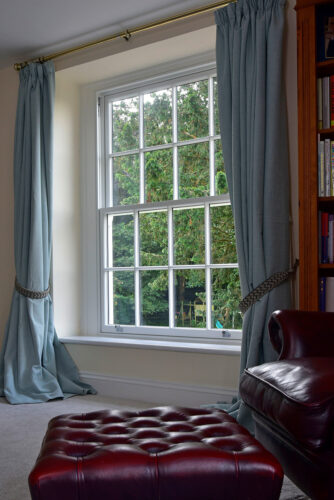

Timber Windows for high performance and comfortable living
Condensation in some instances is an inconvenience, yet can be removed and dealt with, with a few small lifestyle tweaks. Ensure your home is well ventilated, where the moisture caused by drying washing and using the bathroom can escape and be circulated out, and if necessary, purchase a dehumidifier to help your property during the more extreme periods of weather in Summer and Winter. Take a minute or so to wipe your windows down when there is condensation on the inside, so that any of this water does not linger and potentially cause damage.
If you spot condensation between the panes on your window, this points to a larger issue overall, and may mean you need to replace your windows for the benefit of your home and your outgoings.
Our entire range is manufactured in engineered timber; a naturally strong, and insulating material, which we combine with enhanced, thermally insulating glass, resulting in a low U value. Our double glazed windows also incorporate a ventilation channel to help prevent the glass from misting, and warm edge spacer bars which help to minimise heat loss and combat condensation levels. You can read more about the specifics of our range here.
We highly recommend visiting one of our showrooms if you are considering replacing your windows and doors, to see our range first hand and how it can enhance both the value, and beauty of your home.